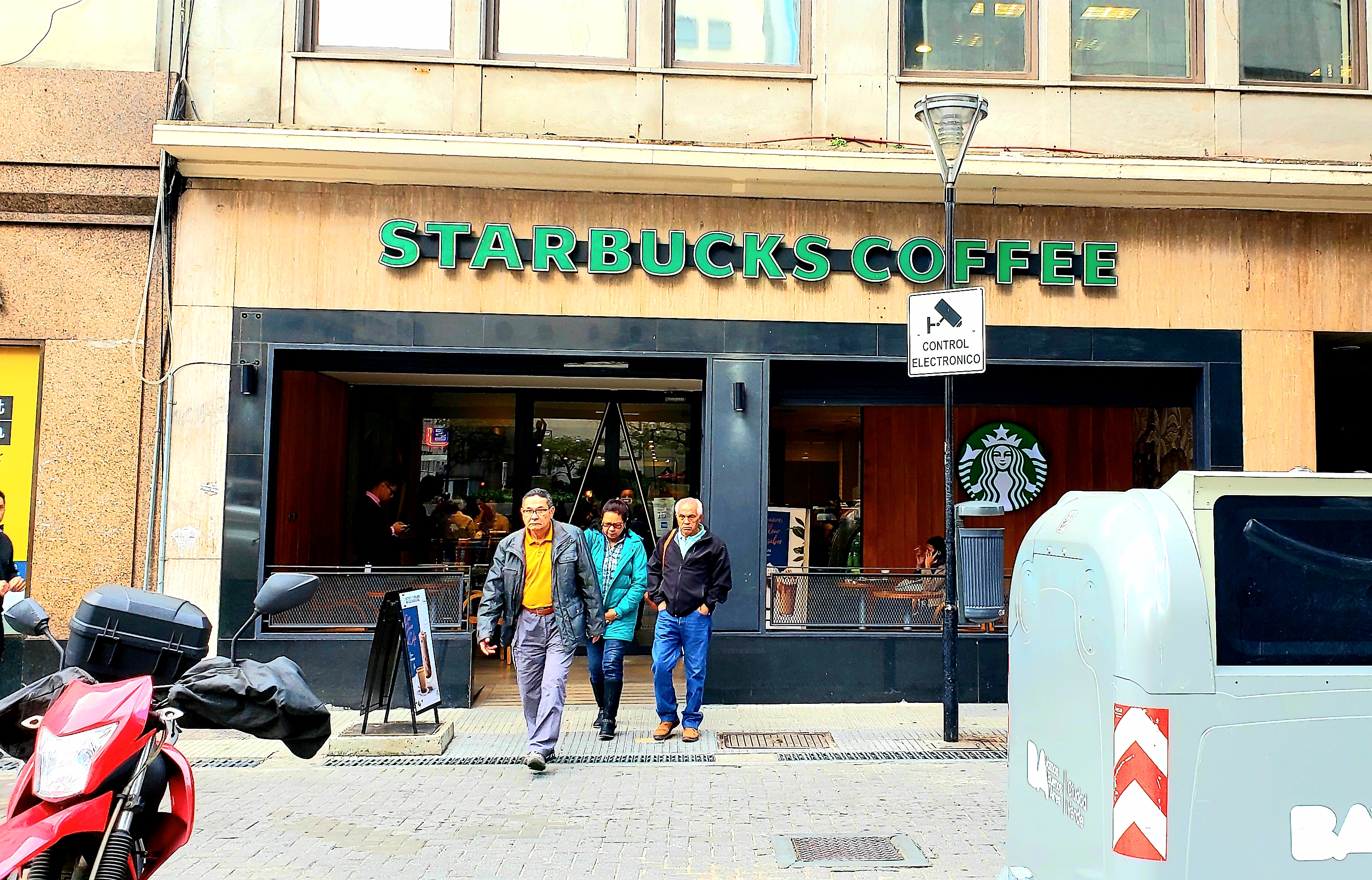

A year ago, I started a degree program in Global Management. A business degree entirely based on the movement towards globalization. And yet, as I opened my laptop to write this blog, nothing came to mind. So to truly explain what globalization is, I am going to paint a picture for you. You are in another country, the world is spinning because everything seems so completely different and foreign. The language, the foods, the styles. But then you start to notice, the sign advertising a familiar restaurant from back home. A jacket that you almost bought in your home supermarket hangs off the body that walks by you, the smell of your favorite food drifts from an open door. This is the result of globalization. A clash of cultures, burgers being sold in a city in South America, Llama jackets for sale in an American Walmart. And this economic phenomenon is one that is steadily present in Argentina.
Argentina’s Role in Globalization
The more technical definition of globalizition is described as when businesses begin having international influence. In Argentina, I believe major international stores include McDonalds, Shell, and Starbucks. Both Starbucks and McDonalds are frequently found near major food areas, and shells appear to be the most popular gasoline station.
After several weeks of being in Buenos Aires, the effects of globalization are all to prominent and obvious. Panos Mourdoukoutas wrote in forbes that globalization has three sides. The good, the bad and the ugly. All three sides I can see here in Argentina. Some of the good can be seen in the employment opportunities created by new markets, such as new McDonalds, or the opportunity to drive an Uber. On the bad side, the devastating effects of inflation are quite evident in the city. It will not take more than a couple blocks of walking to come across an inhabited mattress pushed to the sidewalk. That is the bad side. The ugly side is when trade wars come as nations desperately try to escape currency devaluations. The ugly side is seen and affects in different ways worldwide. The current U.S. China Trade War is a good example. In Argentina there have been positive affects for the countries trading.
Globalization is here, and it will continue to grow. The important question for people in business in Argentina is if the government can steer the city of Buenos Aires out of a crisis and into an international stage.
 A Business Students Diary